.png?width=1563&height=375&name=Horizontal%20Logos%20(1).png "Horizontal Logos (1)")
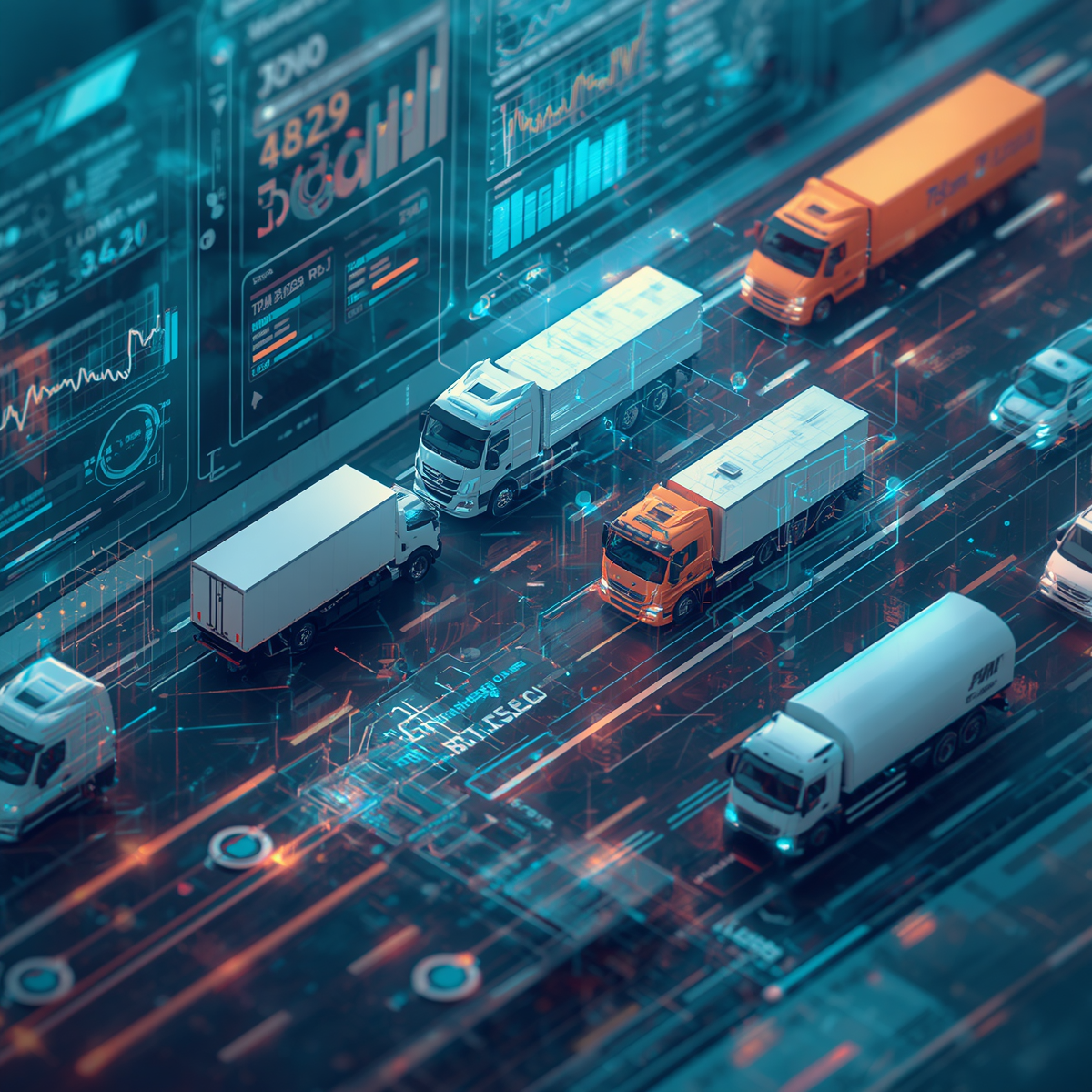

Running a modern fleet involves far more than tracking where vehicles are during the day. Businesses now deal with fuel costs, driver safety, maintenance schedules, compliance requirements and rising customer expectations all at once. That’s why fleet data analytics has become such an important part of daily fleet operations.
With the right systems in place, fleet managers can turn raw fleet data into practical insights that improve efficiency, reduce downtime and support better long‑term planning. Instead of relying on guesswork, decisions are backed by real‑time data gathered from vehicles, drivers and operational activity across the entire fleet.
Why Fleet Data Analytics Matters for Modern Fleets
Businesses are already collecting plenty of data from GPS tracking and sensors, but it often ends up spread across systems that do not really talk to each other. This lack of technological interconnectivity can lead to poor data management, as disconnected systems create data silos.
Telematics solutions pull it all into one view, so fleet managers can actually see what is happening in real time.
Fuel use is creeping up, idle times are increasing, routes are not performing well; these things stand out sooner. With that visibility, small issues are dealt with early before they start affecting the wider fleet.
How Fleet Analytics Reduces Daily Pressure on Fleet Managers
From managing budgets and compliance to keeping vehicles running, fleet managers carry a heavy load. But at the end of the day, their most important job is driver safety.
With Telematics fleet management, much of this becomes easier to manage. Reports are automated and fleet performance is visible in one dashboard instead of being pulled from different sources. Less time goes into spreadsheets, more time goes into actual decisions.
You see problems sooner. Rising fuel use or a vehicle showing strain gets flagged before it causes downtime. It also helps prioritise maintenance, driver support and route changes more effectively.
Using Real-Time Data to Improve Fleet Performance
One of the biggest benefits of fleet analytics is seeing what is happening on the road as it happens. It lets fleet managers see how vehicles, drivers and routes are performing throughout the day, rather than waiting for reports later.
How drivers behave has a big impact on safety, fuel use and how quickly vehicles wear down. Harsh braking, speeding, rapid acceleration and long idling all slowly push costs up. With telematics, you see the habits sooner and can step in with simple feedback.
Traffic‑heavy runs, idling and uneven driving all push fuel use higher. Once you see it live, adjustments are easier to make on the spot. .
Seasonal and Real-World Operational Challenges in Fleet Performance
Fleet performance is not just about data, because weather and everyday conditions still affect what actually happens out on the road. Hot weather strains engines, cooling systems, tyres and batteries, raising breakdown risk if upkeep slips. Drivers also feel it, with long hours in high heat causing tiredness and dehydration, so taking regular breaks and doing basic health checks helps keep everyone safe and operations running smoothly. At the same time, fleets face holiday delivery rushes, changing fuel prices, long regional routes and heavy city traffic, all of which can disrupt schedules. Real‑time fleet data makes it easier to see issues early and respond on the spot instead of waiting for reports later. For teams looking to improve setup and visibility, a free 30-minute consultation can help identify the right tools.