.png?width=1563&height=375&name=Horizontal%20Logos%20(1).png "Horizontal Logos (1)")


A fleet manager is at the heart of keeping a company’s transport operations on track. They’re the steady hand guiding the fleet, ensuring every vehicle and driver stays on course. They carefully plan the schedules, make sure all the vehicles are in excellent condition, manage the entire team, and coordinate all the logistics. Their role is to keep the fleet running smoothly, steering clear of any unnecessary interruptions.
Core Responsibilities of a Fleet Manager
Keeping the fleet safe and reliable is at the heart of a fleet manager’s role. They make sure vehicles are serviced on time and keep track of fuel use, mileage, and maintenance costs. By picking up small issues early, they avoid bigger problems later, helping the fleet stay on track and keeping costs under control.
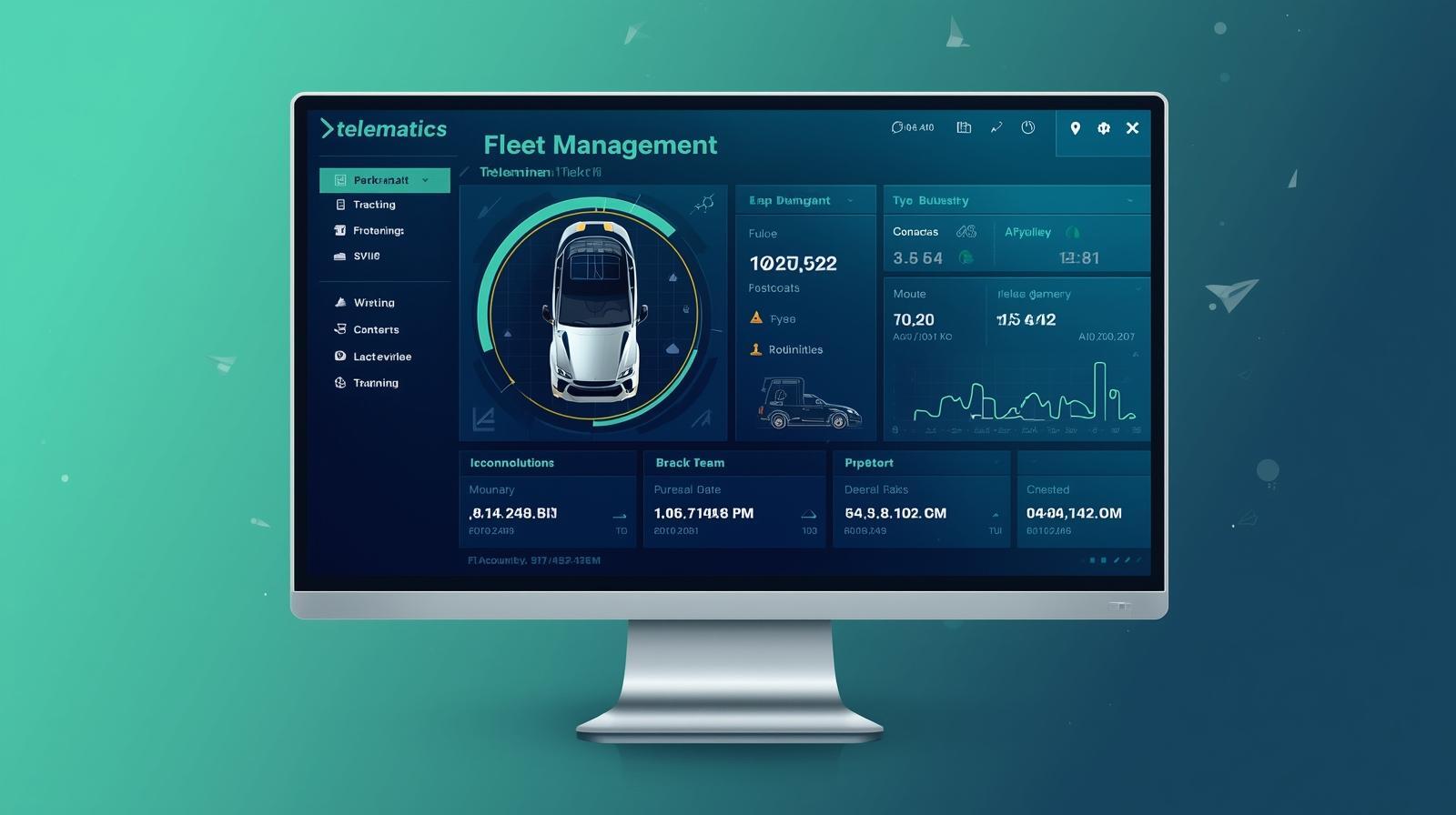
Just as crucial is looking after the drivers, making sure they’re trained, safe, and supported in their work. A fleet manager ensures they’re well-trained, following safety guidelines, and have the backing they need to do their job properly. Using telematics fleet management systems, they can quietly monitor driver habits, see where vehicles are, and find little ways to save fuel or prevent hold-ups.
Financial Oversight and Total Cost of Ownership
Keeping a fleet financially on track is a key part of a fleet manager’s role. It begins with getting a clear view of the true Total Cost of Ownership (TCO). It’s not just the purchase price — you also need to consider fuel, maintenance, insurance, leases, and downtime. Knowing the full picture makes it easier to budget, plan replacements, and get the most from each vehicle. Using the fleet’s own data helps benchmark costs and spot where money can be used more effectively.
Technology in Modern Fleet Management
Once fleet costs are clear, the right tools make managing everything much easier. Fleet software, digital job sheets, and mobile inspections keep maintenance on track and cut downtime, ensuring vehicles stay on the road.
Companies like Drivetec gather and display real-time data on vehicle condition, routes, and driver activity, giving managers the insights they need to make practical decisions every day. GPS tracking, IoT hubs, and telematics provide a full view of the fleet, helping save fuel, stay compliant, and plan— including for electric vehicles.
Building a Skilled Fleet Team
A successful fleet operation depends on a skilled team. Fleet managers collaborate with roles such as Fleet Services Manager, Fleet Workshop Supervisor, and Logistics Operations Manager to ensure vehicles are maintained, drivers are trained, and compliance standards are met. Completing a VET course or a Diploma of Logistics gives budding fleet managers the practical skills to manage transport operations efficiently.
By checking in regularly with teams on the ground and external partners, fleet managers make sure operations stay on track and the fleet keeps running well over the long haul.
Optimising Fleet Performance for the Future
Every fleet manager aims to strike the right balance between cost control, safety, and strong performance. Staying on top of maintenance, fuel use, and regular reporting helps cut downtime, extend vehicle life, and keep customers happy.
Exploring new fleet tools often starts with a FREE TRIAL, allowing teams to test features before making longer-term decisions. When vehicle planning and buying are handled properly, fleets tend to run more smoothly and cope better with the realities of modern logistics.